World
Gary, Chicago, and the Lake Michigan corridor — factions, NPCs, and the cities that shape the chronicle.
World-Building: Vampire: The Masquerade

A Beast I Am, Lest a Beast I Become
“Darwin asserted that all beings compete with other beings for life, that a predatory hierarchy exists, and that only the strongest and fittest survive. The new religion of Lucifer simply extends Darwin’s vision to include not only biological life on this planet, but the higher realms of spiritual attainment and apotheosis as well.”
— Robert C. Tucker, An Age for Lucifer
Vampire: The Masquerade is a tabletop role-playing game created by a (then) small Atlanta press called White Wolf in 1991. It became an underground pop culture phenomenon throughout the 1990s, before the publishing industry unfortunately collapsed due to the demise of big-box bookstores.
The world of the game is the same as our world, except that vampires are real, and are secretly controlling everything while doing their best to stay hidden from the humans, all the while also competing with the other vampires for power.
As initially written, the game was meant to be played within a single city setting. Players took the roles of new vampires in the city, comparatively weaker than elder vampires who might be hundreds or thousands of years old, who had to navigate their way through a world of conspiracies, supernatural creatures and political machinations going back centuries if not millennia. It was, and is, a whole lot of fun.
The Curse of Caine
According to Vampire lore, Caine (of the Book of Genesis) was the first vampire; God cursed him with vampirism for killing his brother. Caine Embraced (created) other vampires (or “Kindred”), who in turn Embraced more, and so on, down to the present day; each successive “Generation” is considered weaker than the last.
Kindred must feed on blood regularly, though do not need to kill to do so. They are immortal, but can be killed by sunlight, fire or by being drained of blood by another vampire (“Diablerie,” a serious crime for Kindred). They can’t be harmed or even bothered by garlic, crosses, running water or any of the rest of those old tales. However, they can be paralyzed by somebody shoving a wooden stake through their heart.
This means that, while theoretically immortal, Kindred are also very vulnerable to either other vampires or, particularly, mortals, who would overwhelm and destroy them all by sheer force of numbers were they ever to discover that vampires were real.
The Masquerade
The primary goal of all Kindred is to make sure that the mortals they feed on like cattle (called “Kine” by vampires) never, ever find out they exist. In order to do this, the various sub-types (or “Clans”) of Kindred have banded together to create “The Masquerade,” a species-wide enforced law that Kindred must remain hidden at all times.
The most important method by which the Masquerade is upheld is by keeping the Kindred population low—as a general rule of thumb, the mortal population will support about one vampire per 100,000 humans without things getting out of hand.
By mortal population numbers in 1991, this means that there are an estimated 53,830 vampires in the world. Estimated population figures in the United States are only 2,350, with a theoretical range of 170-300 vampires per clan nationwide. Nearly all of these dwell in cities, largely favoring dense urban centers. The exception is the Gangrel clan.
The Jyhad
The second order effect of this constraint on population is that Kindred are perpetually fighting each other over those resources; there is never enough food or living space to go around. This resource conflict, which has been going on since before the dawn of recorded history (including between some vampires who have been “alive” and fighting each other that entire time!) is called the “Jyhad.”
It also means that vampiric reproduction rights are tightly controlled by the Camarilla. In the United States (with some notable exceptions), nearly every city that harbors more than a few Kindred has a “Prince,” who rules over the city in an almost feudal style, and bears final responsibility for upholding the Masquerade and rewarding or denying the ability to create more Kindred. Princes usually, though not always, belong to the Ventrue clan.
Power, Politics, and the Addiction
At its core, Vampire is a game about power, politics and contested resources. As mortals jockey for oil, vampires jockey for blood.
Specifically, it is a game about local politics. A city is a stockyard full of cattle. The vampires are the predators that not only feed upon them but, crucially, must husband them. That means caring for them, letting them graze, keeping them docile and unaware, and, crucially, keeping them corralled. While some vampires are hunters, nearly all of them are farmers.
Ultimately, vampires are addicts. They are addicted to blood, and will do literally anything to get it; if they don’t get it, they become uncontrollable monsters—in a state of permanent, incurable withdrawal and junk sickness. This is pure addict psychology: Anything they do in the pursuit of their fix—anything—is preferable to not getting it; in their minds, better for those around them, as well. From this basic equation comes all vampiric activity.
The Seven Clans
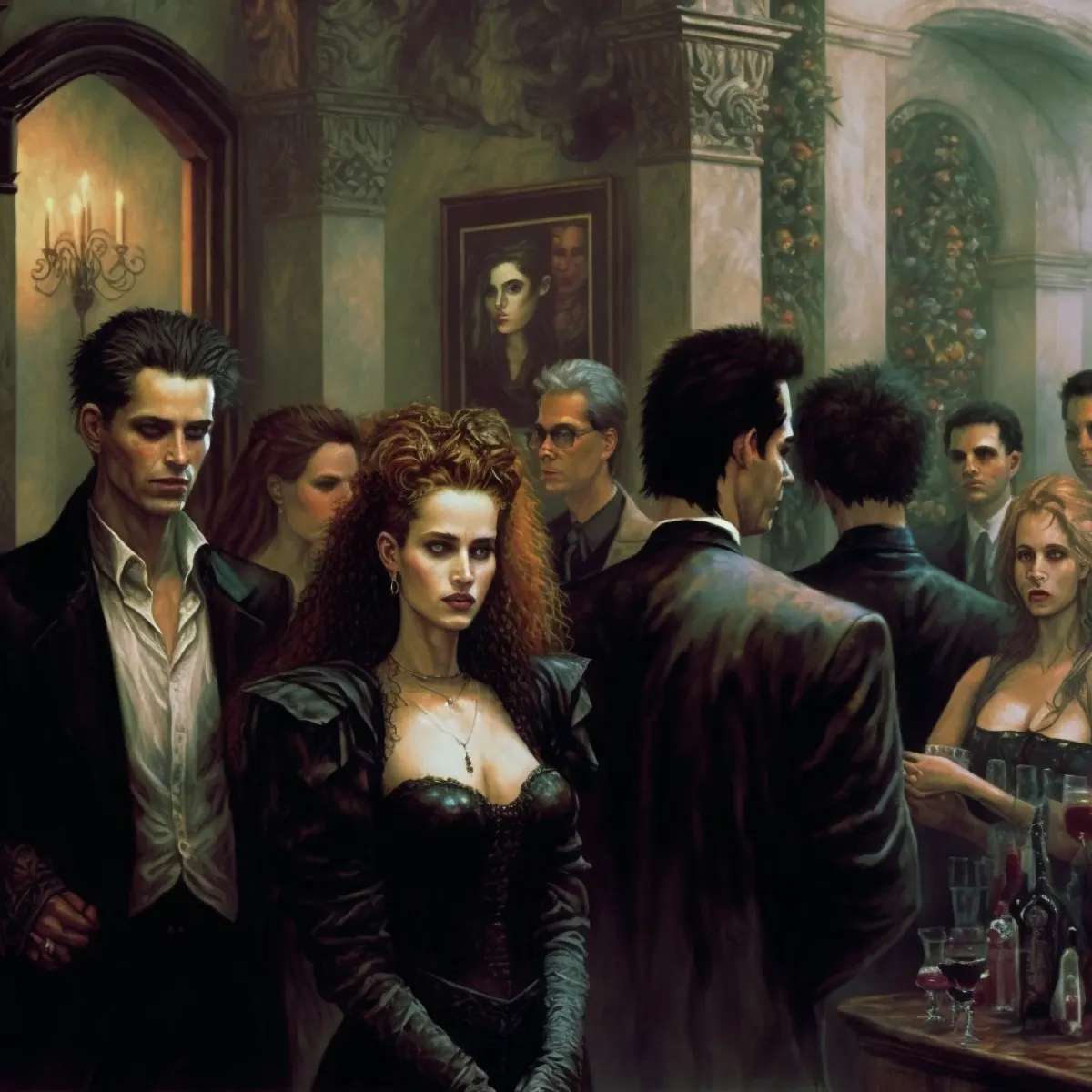
There are seven (plus one) Clans of Kindred. They are as follows.
Brujah. Punks, rabble-rousers, anarchists, revolutionaries, communists, union heavies, etc. They’re the vampires from Lost Boys.
Gangrel. Outlanders, bikers, travelers, nature-loving outsiders. They’re the ones from Near Dark.
Malkavian. Mentally ill vampires. The ones from Vampire’s Kiss.
Nosferatu. Hideous, sewer-dwelling vampires who broker information for the other clans. Think, obviously, Nosferatu, as well as Shadow of the Vampire or Salem’s Lot.
Toreador. Art-obsessed, pretentious, back-of-hand-to-forehead, high society vampires. i.e. Anne Rice’s vampires, or the ones from The Hunger, Vamp, Daughters of Darkness or Only Lovers Left Alive.
Tremere. Undead warlocks and occultists locked into a pyramidal cult structure for eternity. Probably a lot of the old Christopher Lee Hammer Horror vampires would fit here; the non-vampire movie The Ninth Gate is good for inspiration as well.
Ventrue. Kings, CEOs, Princes—the leaders, in control of political structures of the world. Think of every shady and kinda mobbed-up-seeming mayor or governor you can imagine. Similar to the vampires in the 90s show Forever Knight or some of the leader vampires in Blade and Blade 2. Also think of the non-vampire but no less predatory characters in movies like Wall Street or American Psycho.
To these are added Caitiff, the clanless, who are considered the status-less untouchables of the Vampire world.
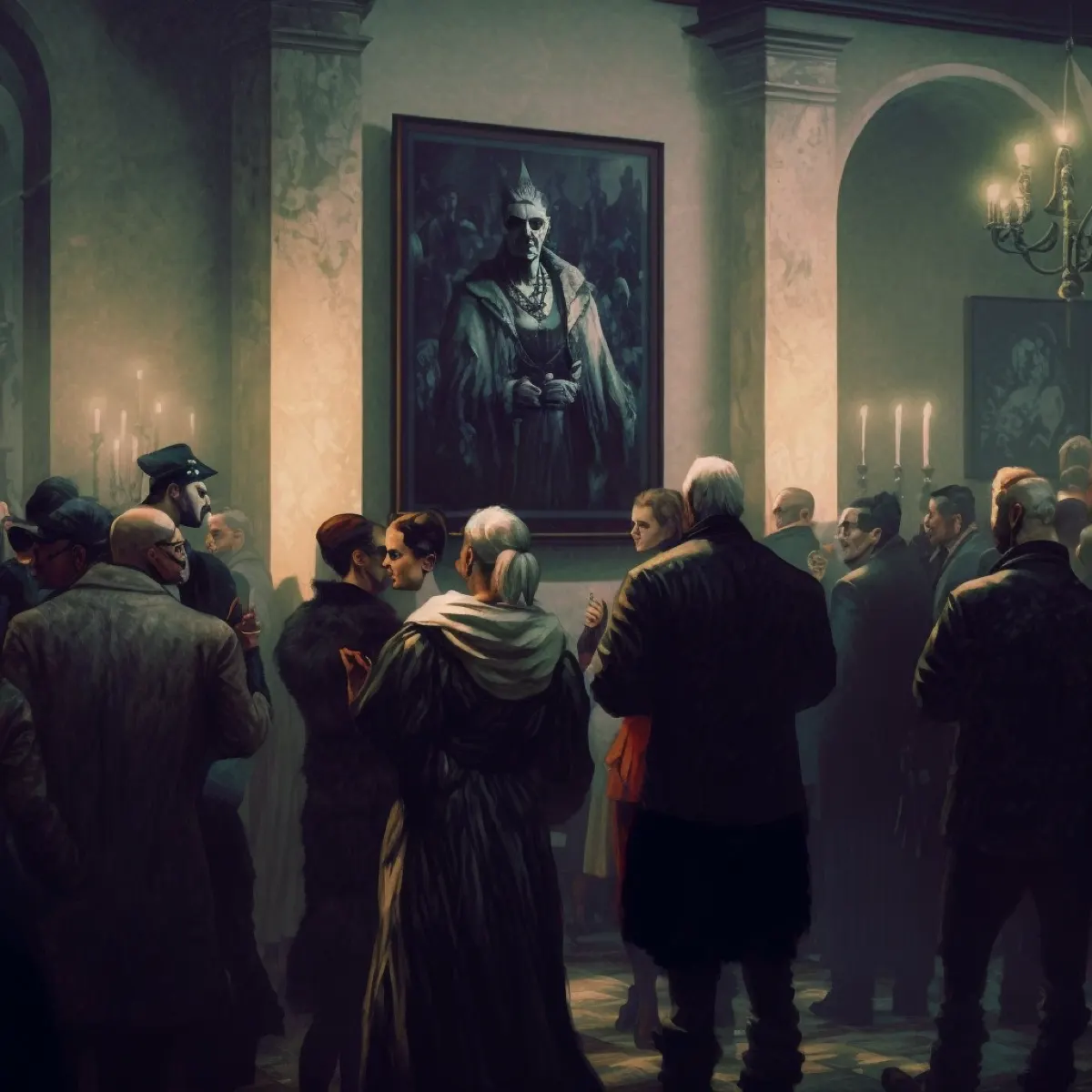
Kindred cannot choose their clan. Whatever clan the vampire that Sired (created) them was will determine the clan the fledgling vampire is. It is the blood itself that determines the clan, and passes down the strengths, weaknesses and even supernatural powers (Disciplines) that vampire has access to.
Each clan of course has its own internal rivalries as well as external politics with other clans. Many have traditionally fought each other to the death (particularly the Brujah and the Ventrue); long ago in European history, many of these Kindred clans fought each other over whole geographic territories, such as France or England. While some of these Old World rivalries continue even to the modern nights, America is truly a land of opportunity for Kindred just as it is for mortals; the old rivalries carry far less weight here.
In addition, since the late Middle Ages, clan warfare has of necessity given way to inter-clan co-operation in the vampiric sect known as the Camarilla, a kind of United Nations of vampires.
The Sects: Camarilla vs. Anarchs
A Sect is a political coalition of Kindred of many different clans who have banded together for a specific ideological or political reason. As of 1991, the two major Sects in North America are the Camarilla and the Anarchs. Not all vampires need belong to a Sect—many simply wander the world as independents—though eventually most are forced to band together with others simply for survival.
The Camarilla
During the Middle Ages, the Kindred were nearly annihilated by the Catholic Inquisition, who discovered their existence while looking for mortal witches. In response, the remaining vampires of the seven clans banded together in a mafia-like syndicate called the Camarilla, and adopted the Masquerade and other sect-wide rules and strategies designed to hide vampires completely from mortal society. The Kindred of the Camarilla have essentially made a pact to stay “in the closet” forever, and make sure the other vampires stay there, too, for their own collective safety.
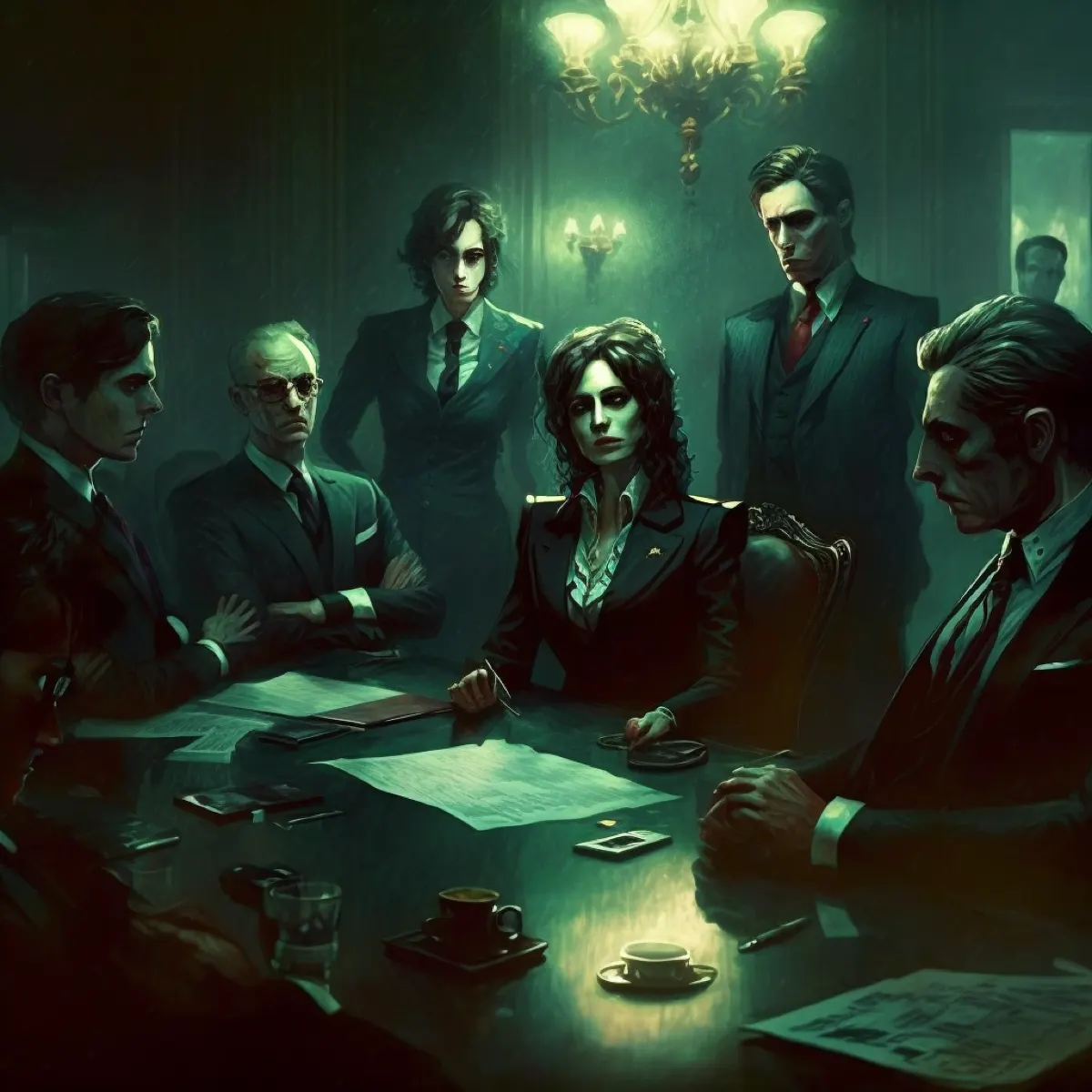
The Camarilla appoints a Prince (who can be of any gender or Clan) over each city that contains a Kindred population. This Prince is advised and overseen by a group of Kindred called the Primogen, usually composed of the eldest Kindred in the city, who act as a kind of Board of Directors for the city.
In 1991, the Camarilla controls much of the East Coast, South and Midwest of America. Its strongholds are Chicago, New Orleans, Atlanta, Boston, and Washington, D.C.
The Anarchs
However, not all Kindred accepted the mandate of the Camarilla. Many at the time, and many today, are in open revolt against it, and refuse the rule of Princes, Primogen or elders. While nearly all ancillae (100-200+ years old) and elders (200-300+) actively support and uphold the Camarilla, many younger vampires, known as Neonates, are tempted to rebel against their elders, and make up the bulk of the Anarchs. The Anarchs and Camarilla are often at war in major cities (including Chicago), engaged in brutal paramilitary struggle reminiscent of the Troubles in Ireland, including riots, sabotage, car bombs, urban snipers and all the rest.
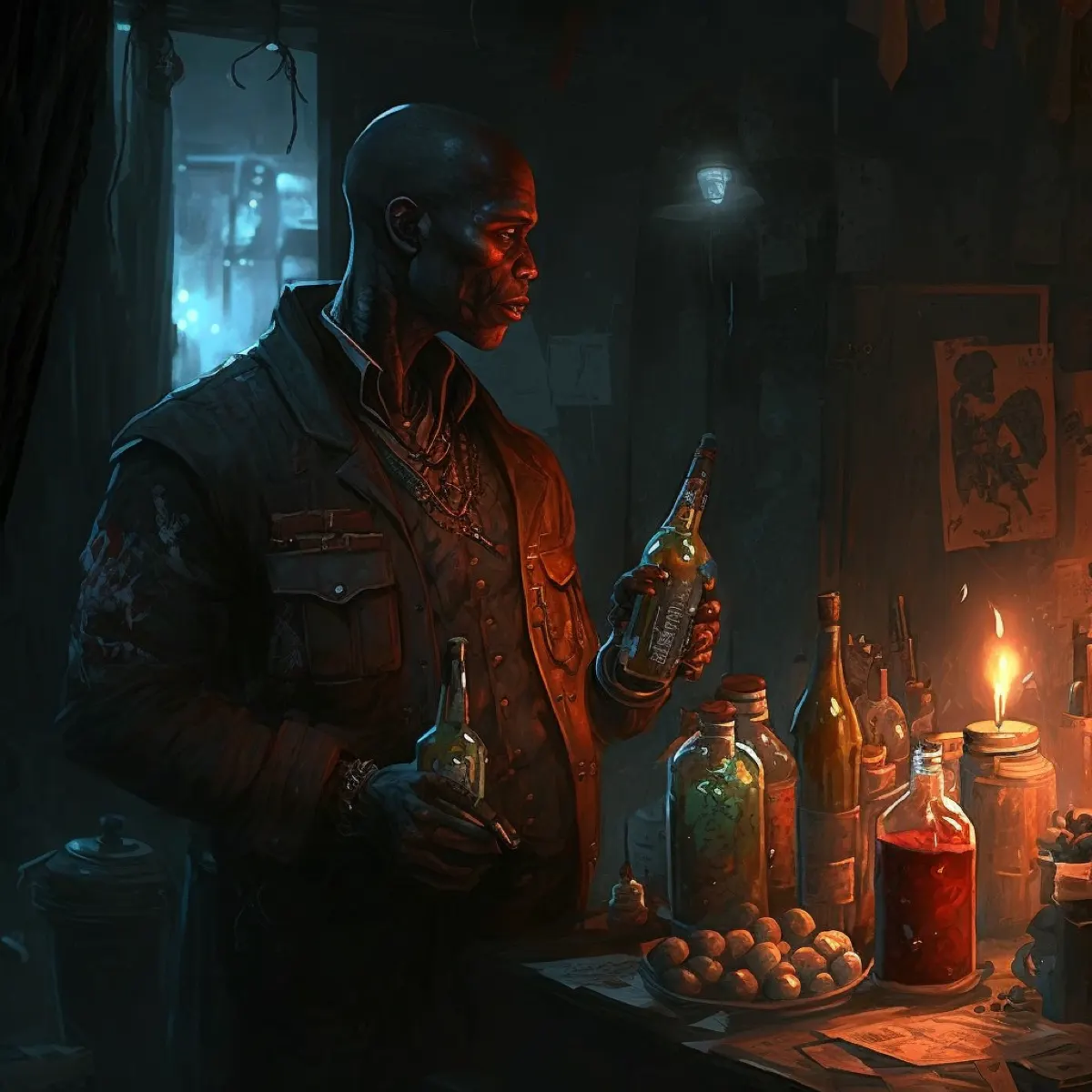
In 1991, the Anarchs control much of the West Coast of America, from San Diego to just south of San Francisco, which they refer to as the “Anarch Free States.” The Anarchs’ primary stronghold and crown jewel is Los Angeles, California, which is engaged in almost constant warfare between groups of Anarchs that fight each other for control in gang warfare reminiscent of (and often intertwined with) that of mortal gangs like the Crips and Bloods. This situation consistently strains the Masquerade, and is a major source of stress for the Camarilla heirarchy.
While any vampire of any Clan can belong to any Sect, in general the Malkavians and Nosferatu, and particularly the Toreador, Tremere and Ventrue, support the Camarilla. The Anarchs are primarily made up of Kindred of the Brujah clan, along with many Caitiff and some Gangrel; Tremere almost never join the Anarchs. Of the seven clans, the Gangrel are the most likely to become independent, and often leave the cities to roam the outlands as free agents.
Gary, Indiana: Sick City
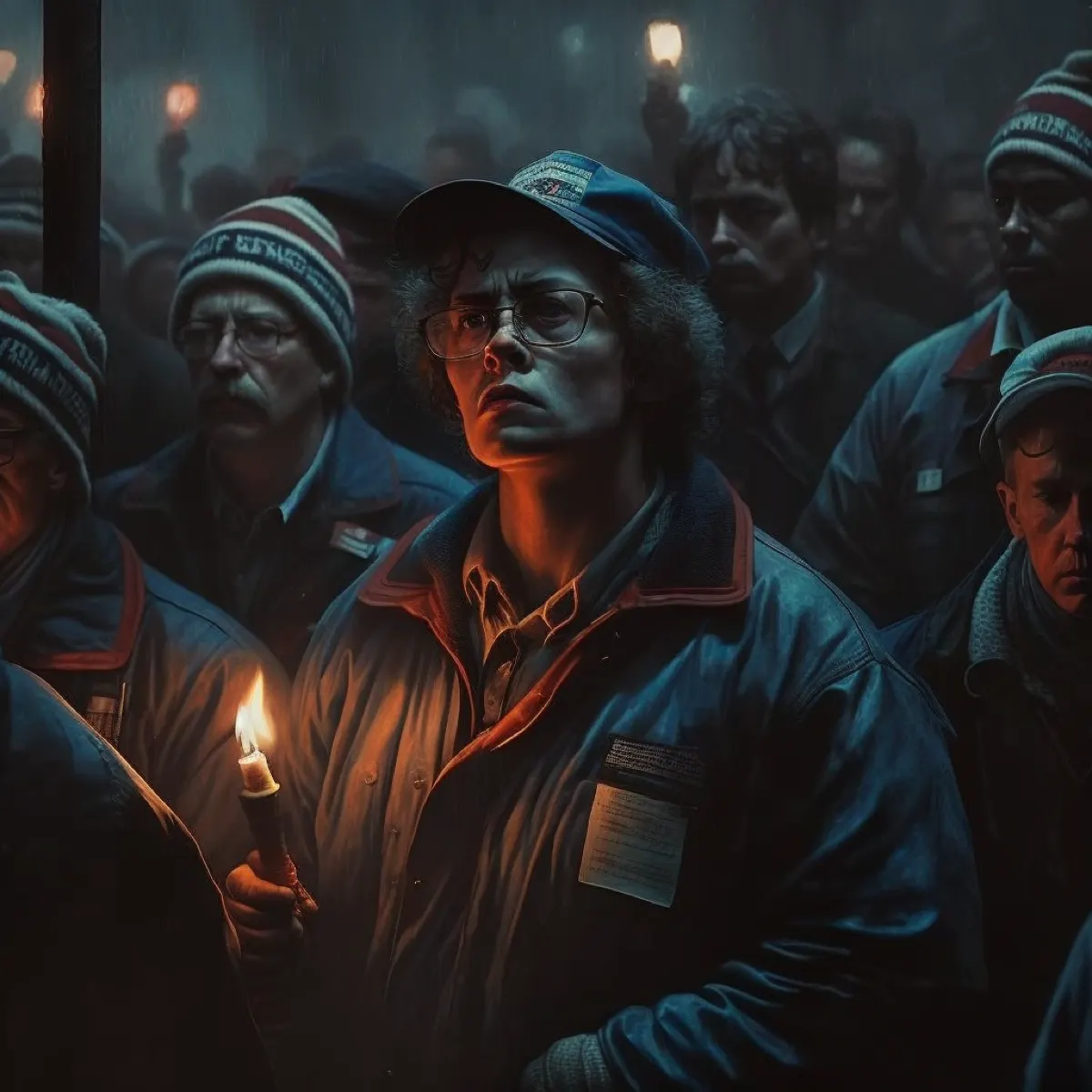
As our Chronicle opens, the characters—having only recently become Kindred, and still adjusting to Unlife—find themselves in Gary, Indiana, considered by many the most economically blighted city in America. Situated just Southeast of Chicago at the bottom of Lake Michigan, Gary was once the nation’s capitol of steel factories. Now, like Detroit to the East, it is a decaying corpse of rust and broken glass, a victim of Reagan’s war on Unions, and one of globalization’s first murder victims as manufacturing leaves America for centers in Mexico and Asia.
The American Dream of picket white fences, union jobs and Bruce Springsteen might not quite be dead yet, but it has Stage IV terminal cancer, and the cancer started here, in the blackened carcinoma sites of America’s manufacturing hubs, Gary and Detroit.

The Cemetery City
Unlike the jewelled spires of Chicago—the Camarilla’s shining city on a hill—Gary is a cemetery, appearing less like a once-thriving American city and more like a bombed-out European city after World War II. Reaganomics, corporate power and East Asian competition have murdered it; now drug dealers, gangs, organized crime, human traffickers and Vampires chew the corpse.
The Political Destruction
For the Kindred, however, Gary holds special significance. Specifically, Gary is strategically situated Southeast of Chicago—where the fantastically rich Kindred of the Camarilla play their power games from boardrooms and artistic salons.
Chicago is ruled with an iron fist by the Ventrue Prince Lodin, whose autocratic rule has successfully turned Chicago into the showpiece of the Sect, the veritable First City of the Kindred of America. Over the last century, Lodin has crushed wave after wave of the Anarch Movement—including the Anarch war parties that manifested in the mortal world as the worker’s collectives of the 1930s, the riots and student strikes of the late 1960s and, most recently, the Anarch Movement’s adoption of street-level guerilla warfare as it adopts the look and tactics of (and in many cases has taken direct control over) bikers, gangs, punks and skinheads.
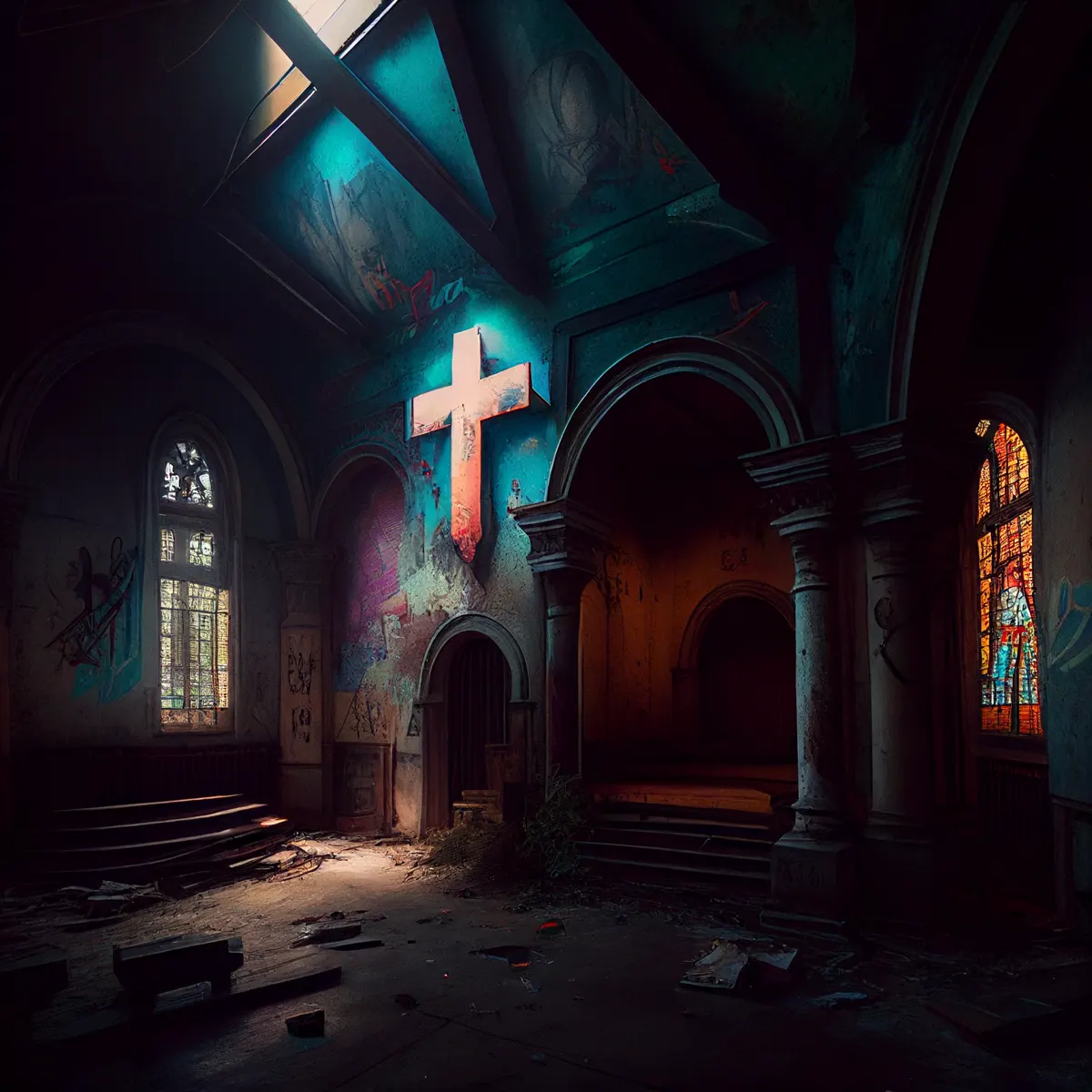
The Anarchs are not all Lodin has had to worry about, however. Another of the thorns in his side has been Modius, the Toreador Prince of Gary. Modius is no Anarch; he is a stalwart of the Camarilla—but a very, very jealous one. Long feeling himself cast in the shadow of Lodin’s star, Modius’s ego has driven him for almost a century to claw away some of Lodin’s spotlight.
Salieri to Mozart
These efforts have been, without exception, complete failures. Like Salieri to Mozart, Modius is simply no match for Lodin’s superior political acumen, mastery of corporate power, financial resources and darling-boy status within the Sect. Modius’ posturing has, however, been quite successful in enflaming Lodin’s own fragile ego.
During the 1980s, finally tiring of Modius’ fumbling attempts to outshine him, Lodin decided to bury the Toreador for good.
Seeing an opportunity to both hamper the Anarch Movement and crush his rival to the Southeast, Lodin patiently maneuvered several mortal pawns and institutions from the sidelines throughout the mid-1980s, resulting in the absolute collapse of the American steel industry. He also aided the efforts of the American corporations and the Republican Party to break the spine of union power in America for good.
As Modius’ power base in Gary had been both the steel mills and the unions, both the lesser Prince and his city were devastated.
The Collateral Damage
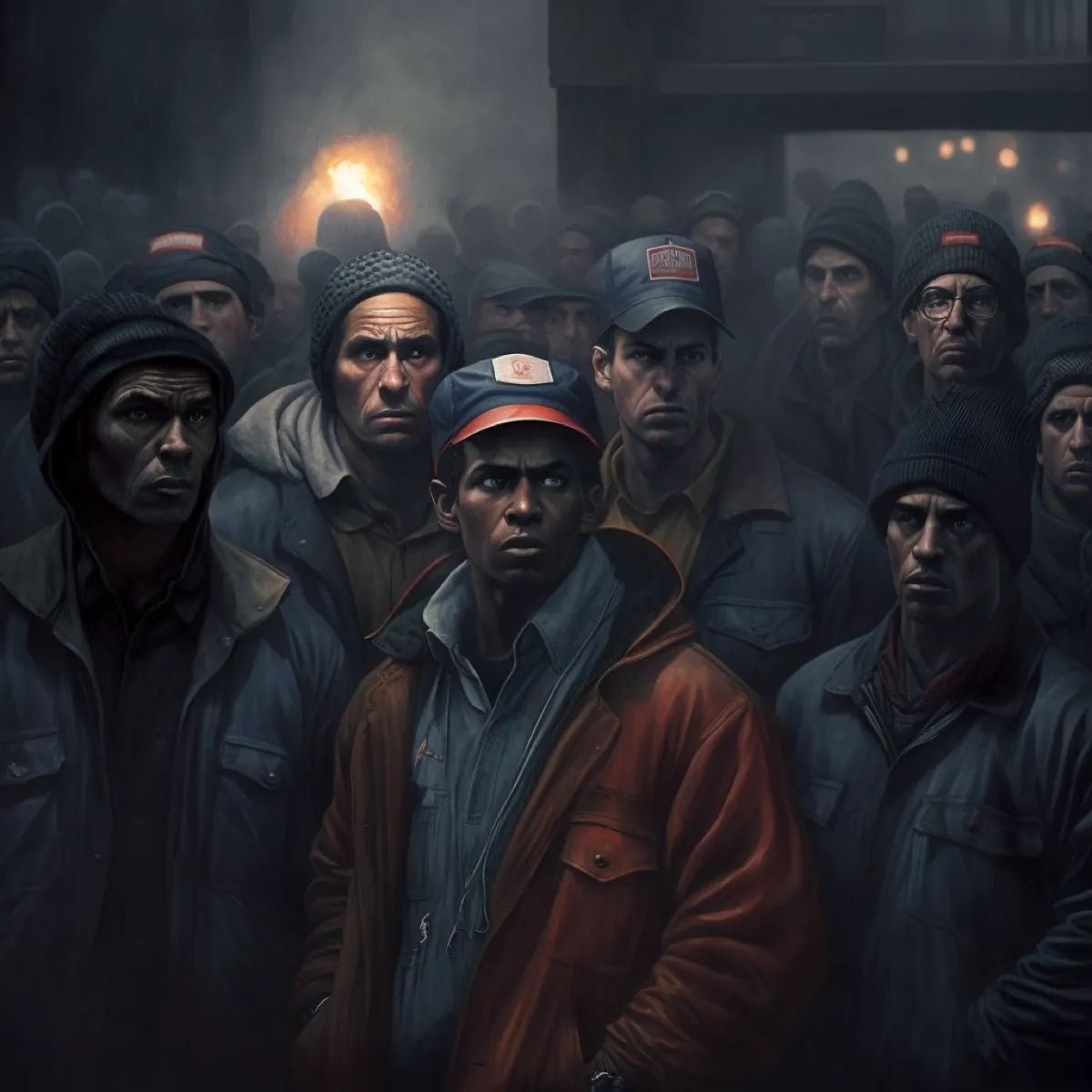
In the process, hundreds of thousands of Americans lost their jobs, livelihoods, families and often lives to suicide. This pissing contest between two Kindred would begin the destruction of America’s manufacturing sector that, twenty-five years later, would leave much of the rest of America as devastated as Gary, with vast areas of the country left behind by globalization, politicians and aid programs, and instead given over to the death grip of Oxycontin.
Yet even in 1991, Gary is already in ruins, a rusted skeleton of steel where an American city once thrived. While Chicago thrives, Gary is written off as an afterthought. This gives it one distinct advantage.
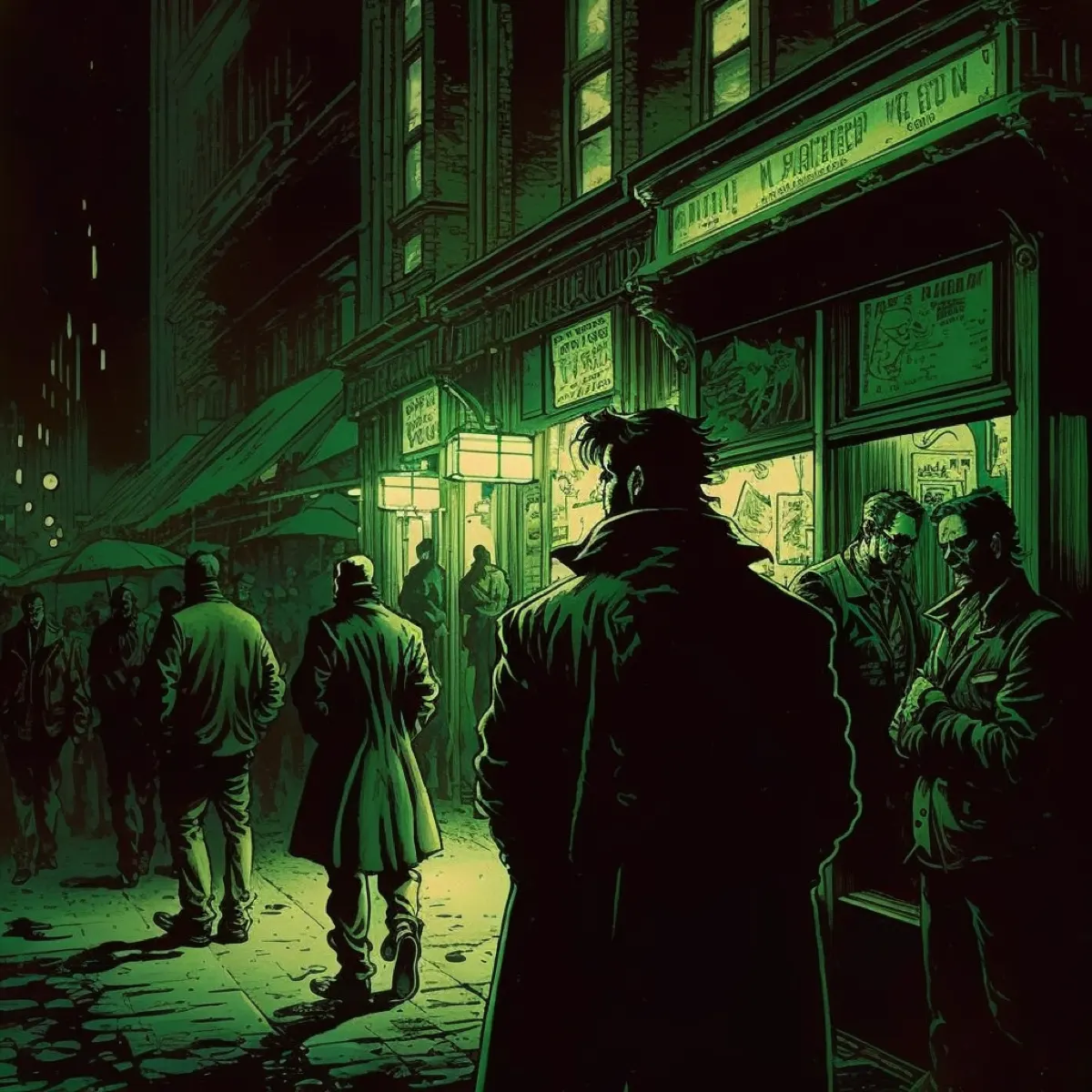
Though Lodin rules Chicago with all-reaching control, Gary has become a lawless no-man’s-land. Kindred from Chicago can come here to hunt hopeless mortals with abandon, without having to worry about encroaching on a more powerful vampire’s territory.
The Hunting Ground
They can also, critically, come here to Embrace new vampires. Lodin restricts the ability to create both new Kindred and even Ghouls (mortals given enough vampiric blood to turn them into loyal and mind-controlled slaves, but not in a way that can turn them into vampires); only the most favored and elite of Chicago may do so, and then only at Lodin’s blessing—usually only after decades or more of loyal service.
Gary has no such restriction, making it a tempting hunting and “breeding” ground alike even for Chicago’s most stalwart Camarilla members.
It is within this anarchic wilderness of rusted steel that we meet our characters, and our Chronicle begins.